
The Dog Owner’s Guide | TaylerMade
How to Calm a Reactive Dog on Bella Vista Trails
From barking tornadoes to more confident trail companions. Six practical ways to help your dog navigate the world with less stress.
Picture this: a peaceful trail, birds chirping, the Ozark breeze in your hair…
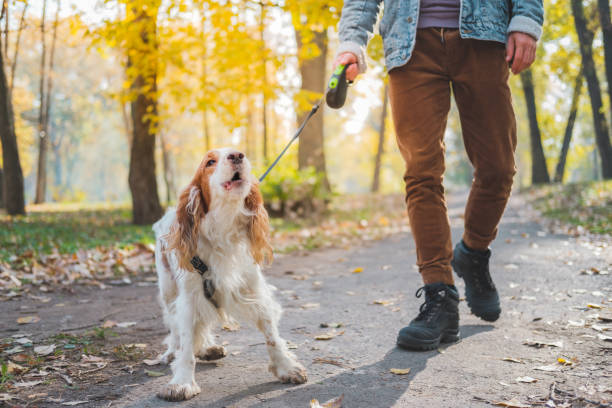
And then, out of nowhere, your dog spots another dog and transforms into a barking tornado at the end of the leash.
The relaxing walk you imagined becomes a tug-of-war, and you’re left apologizing to strangers while trying to remember how breathing works.
Sound familiar?
As a Certified Professional Dog Trainer (CPDT-KA) serving Bella Vista and Northwest Arkansas, I help owners understand why these reactions happen and how to build better experiences for their dogs.
🐕 A Quick Reality Check
A reactive dog isn’t automatically an aggressive dog.
Barking, lunging, freezing, and pulling can be signs of fear, frustration, excitement, or feeling overwhelmed.
The goal isn’t simply to stop the noise. It’s to help your dog feel safer and learn better ways to respond.
Understanding Your Dog
Why Does Reactivity Happen?
Reactivity describes an exaggerated response to something in the environment, such as another dog, person, bicycle, or wildlife.
On Northwest Arkansas trails, narrow paths, unexpected encounters, and busy surroundings can make those reactions harder to manage.
🐾 Frustration
Some dogs want to greet everyone they see. Being restrained by a leash can increase frustration and lead to barking or lunging.
💛 Fear or Uncertainty
Past experiences, limited positive exposure, or unfamiliar situations can make certain encounters feel threatening.
🌲 Overstimulation
New smells, moving bikes, wildlife, and crowded trails can overwhelm a dog’s ability to cope.
🧠 Stress and Unmet Needs
Accumulated stress, insufficient rest, and a lack of appropriate enrichment may make reactions more likely.
A Trainer’s Perspective
Distance Is Your Friend
One of the most important concepts in reactivity training is working below your dog’s reaction threshold.
That means finding a distance where your dog can notice a trigger without becoming so overwhelmed that they cannot respond to you or take food.
If your dog is already barking, lunging, or unable to disengage, the situation is likely too difficult for productive learning.
Create more distance, allow time to recover, and try again in an easier environment.
Your Calmer Walk Toolkit
Six Ways to Help Your Reactive Dog
Create Space
When another dog or bicycle appears, increase your distance before your dog becomes overwhelmed.
Turn around, use a wider route, or move to a safe area off the trail.
Never feel obligated to force a greeting.
Reward Voluntary Check-Ins
When your dog notices something interesting and chooses to look back at you, reward that decision.
Small moments of engagement help strengthen your communication.
Try “Look at That” Training
At a comfortable distance, let your dog notice a trigger.
Mark the calm observation with a word such as “yes” and offer a reward.
Over time, your dog can learn to associate the appearance of triggers with positive experiences.
If your dog becomes distressed, increase the distance rather than continuing the exercise.
Build Enrichment Into Daily Life
Snuffle mats, scent games, puzzle feeders, and relaxed sniff walks provide opportunities for healthy mental engagement.
Enrichment doesn’t replace behavior modification, but it can support your dog’s overall well-being.
Be Predictable, Not Perfect
Use familiar cues, comfortable equipment, and a consistent approach.
Your dog doesn’t need you to be perfectly calm every second. They benefit from clear communication and thoughtful decisions.
Ask for Professional Guidance
A qualified trainer can help identify triggers, adjust training difficulty, and build an individualized plan using gradual exposure and positive associations.
If your dog’s reactions are severe, escalating, or involve bite risk, seek individualized professional support before attempting busy trails.
Before You Head Out
Your Reactive Dog Trail Checklist
- Choose quieter routes and less crowded times.
- Bring high-value treats and fresh water.
- Use a secure, properly fitted harness and leash.
- Identify places where you can safely create distance or turn around.
- Skip the trail if your dog is already unusually stressed.
- Keep sessions short enough for your dog to remain comfortable.
Remember to check trail rules and leash requirements before visiting.
Bella Vista & Bentonville
A Better Way to Explore Northwest Arkansas
We are fortunate to live in a region filled with beautiful trails, wooded neighborhoods, and outdoor opportunities.
But your dog doesn’t need to conquer the busiest trail in Bella Vista to make progress.
Sometimes success looks like calmly watching another dog from a comfortable distance.
Sometimes it’s turning around before a difficult encounter.
And sometimes it’s choosing a quiet neighborhood walk instead of a busy trail system.
TaylerMade Training and Pet Care
From Stressful Walks to More Confident Adventures
Barking, lunging, or freezing on walks?
You don’t have to figure it out alone.
At TaylerMade Training and Pet Care, we help dogs and their people develop practical skills for everyday life.
Serving Bella Vista, Bentonville, and surrounding Northwest Arkansas communities.
Explore Personalized Dog Training